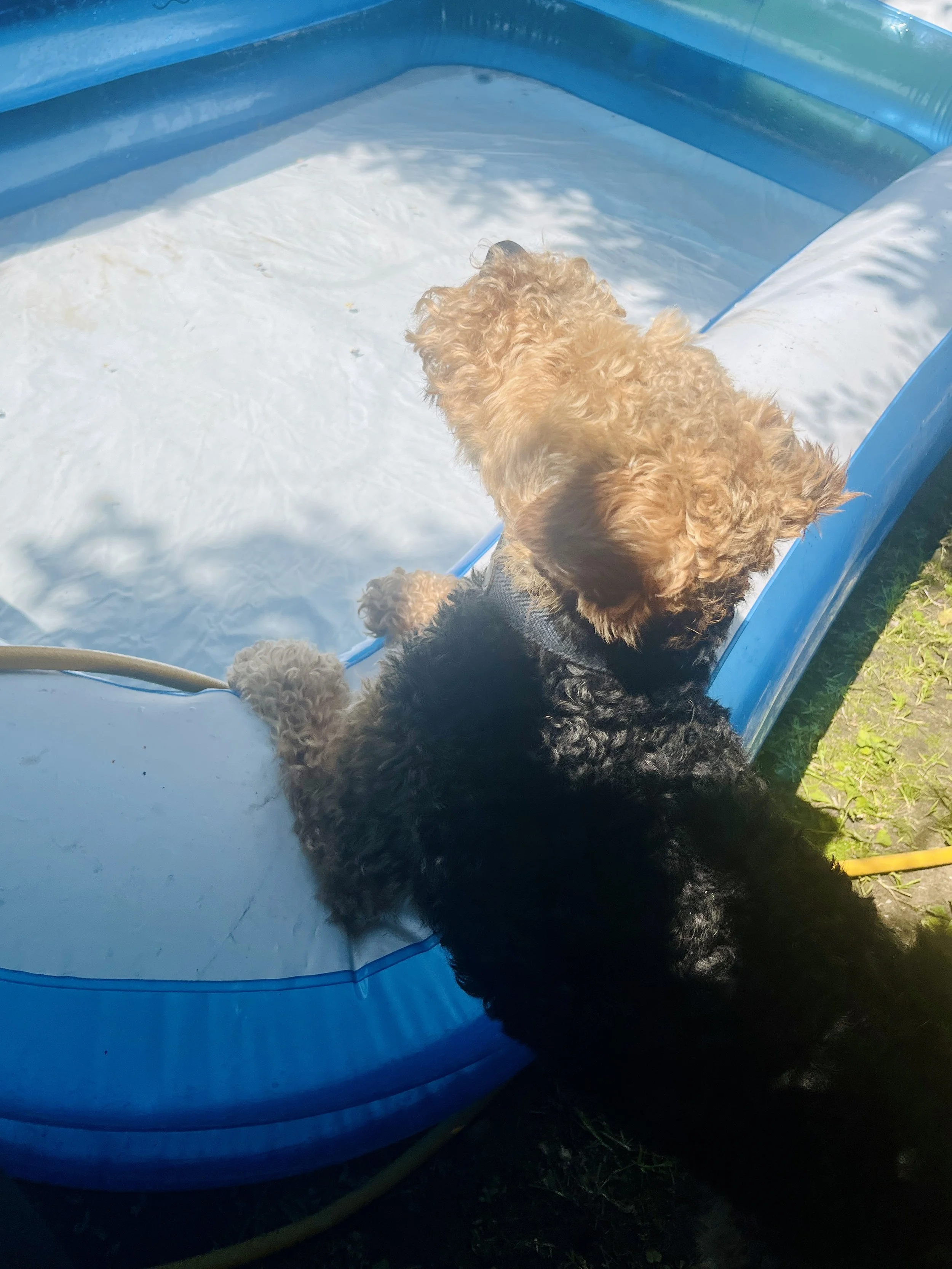
Too Hot to Handle?
Why does it suddenly feel like none of your ADHD strategies work during a heatwave? This blog explores how sensory overload, interoception, hormones and increased cognitive load can make hot weather particularly challenging for neurodivergent people, along with practical ways to adapt.
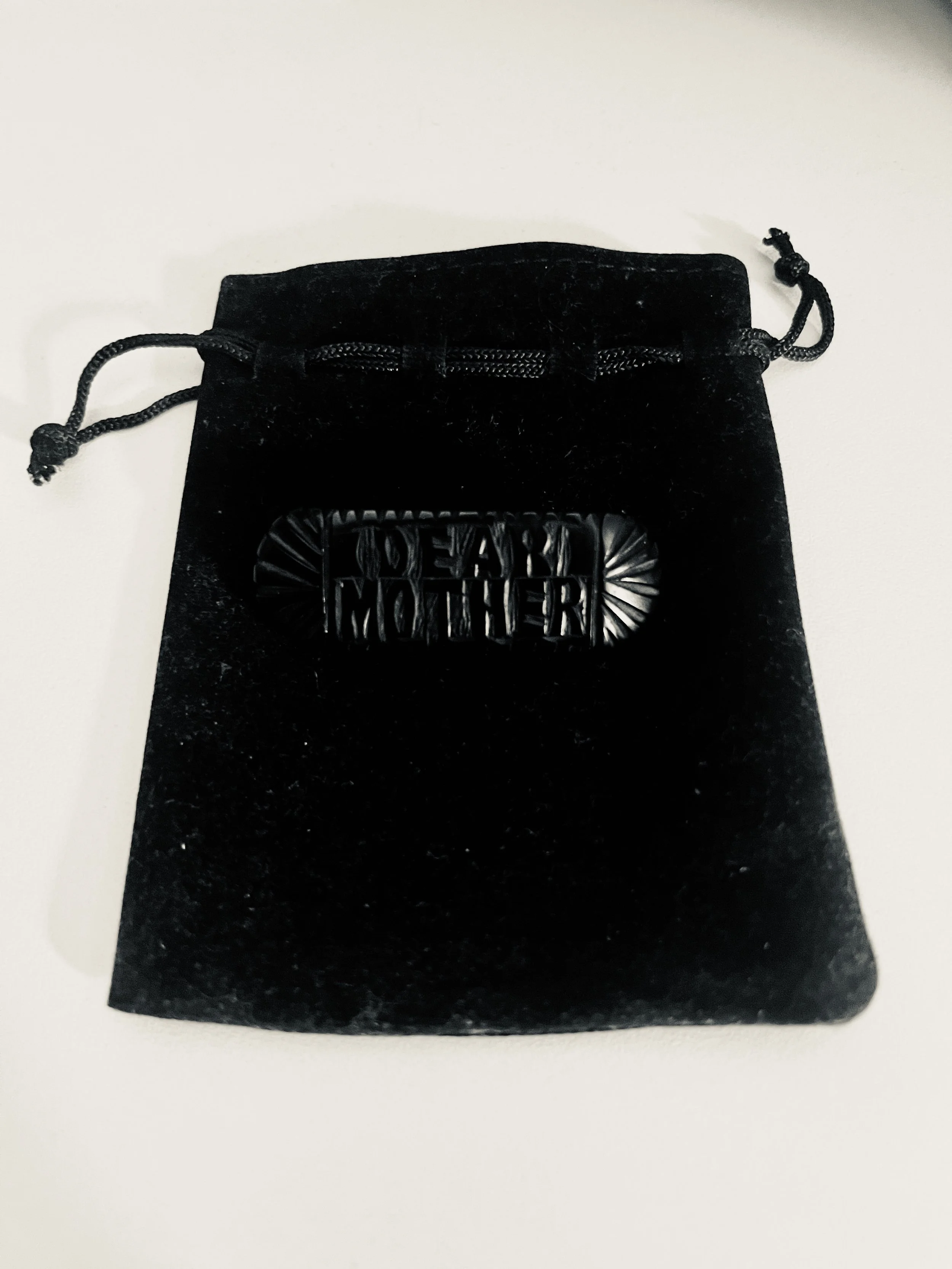
A song hidden in an antique shop
Where do songs come from? After finding a Victorian mourning brooch in Whitby engraved with the words "Dear Mother", I found myself writing a new song called The Wasteland. Here's how one curious object became the doorway into a new piece of music, and how you can use object writing to spark your own creativity.
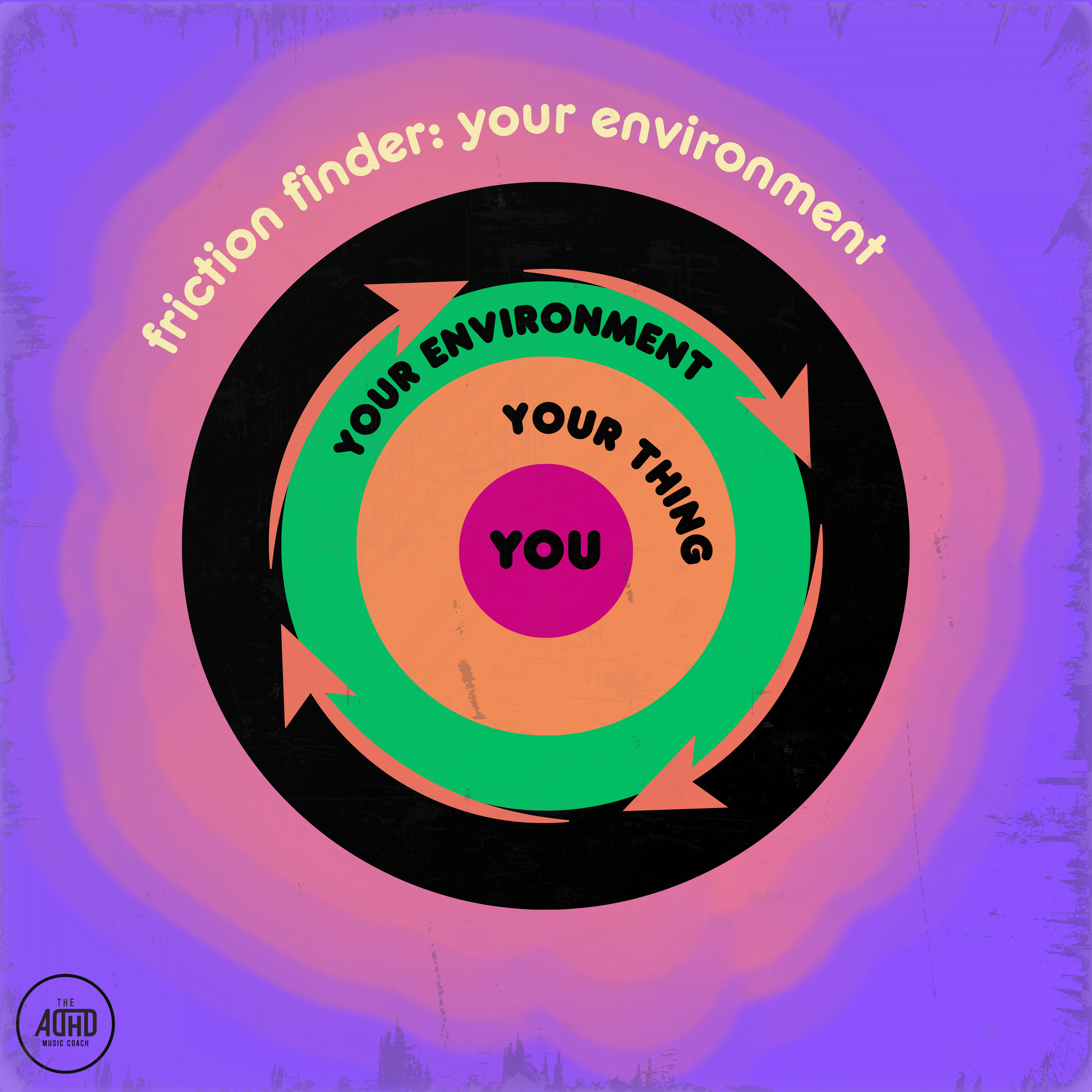
Friction Finder – Your Environment
Before assuming you're the problem, ask a different question: where's the friction? In the first Friction Finder blog series, we look at how your physical environment can either support or get in the way of your creativity.
The ADHD Walkabout
Many neurodivergent people spend years learning structure. But what if we also need intentional time to wander? Here's my idea of the ADHD Walkabout and why it might be just as important as planning.
The Optimisation Trap
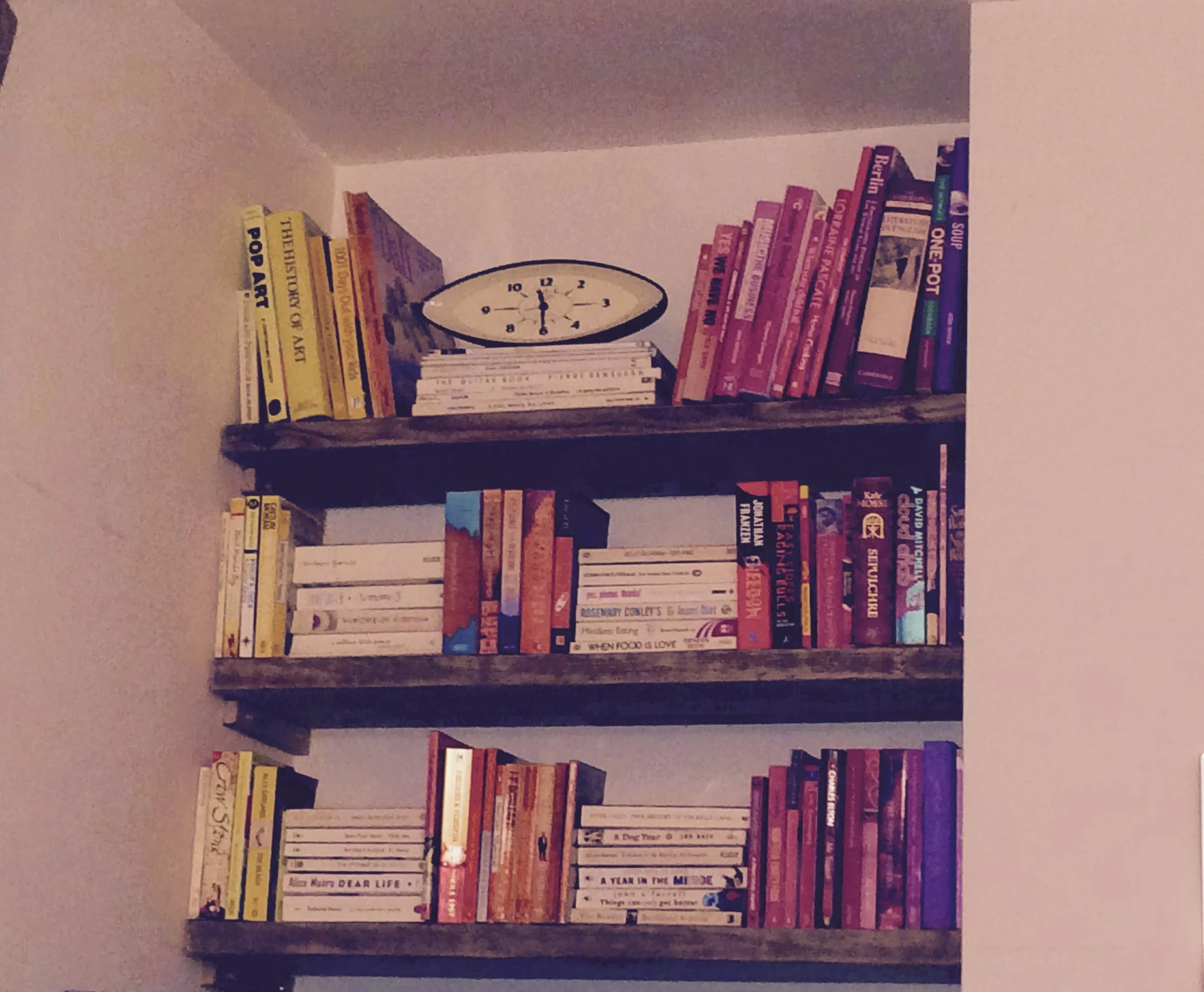
Many neurodivergent people become experts in planners, productivity systems and routines. But what happens when we're building systems for an idealised version of ourselves instead of the person we actually are?
How to be Inspired
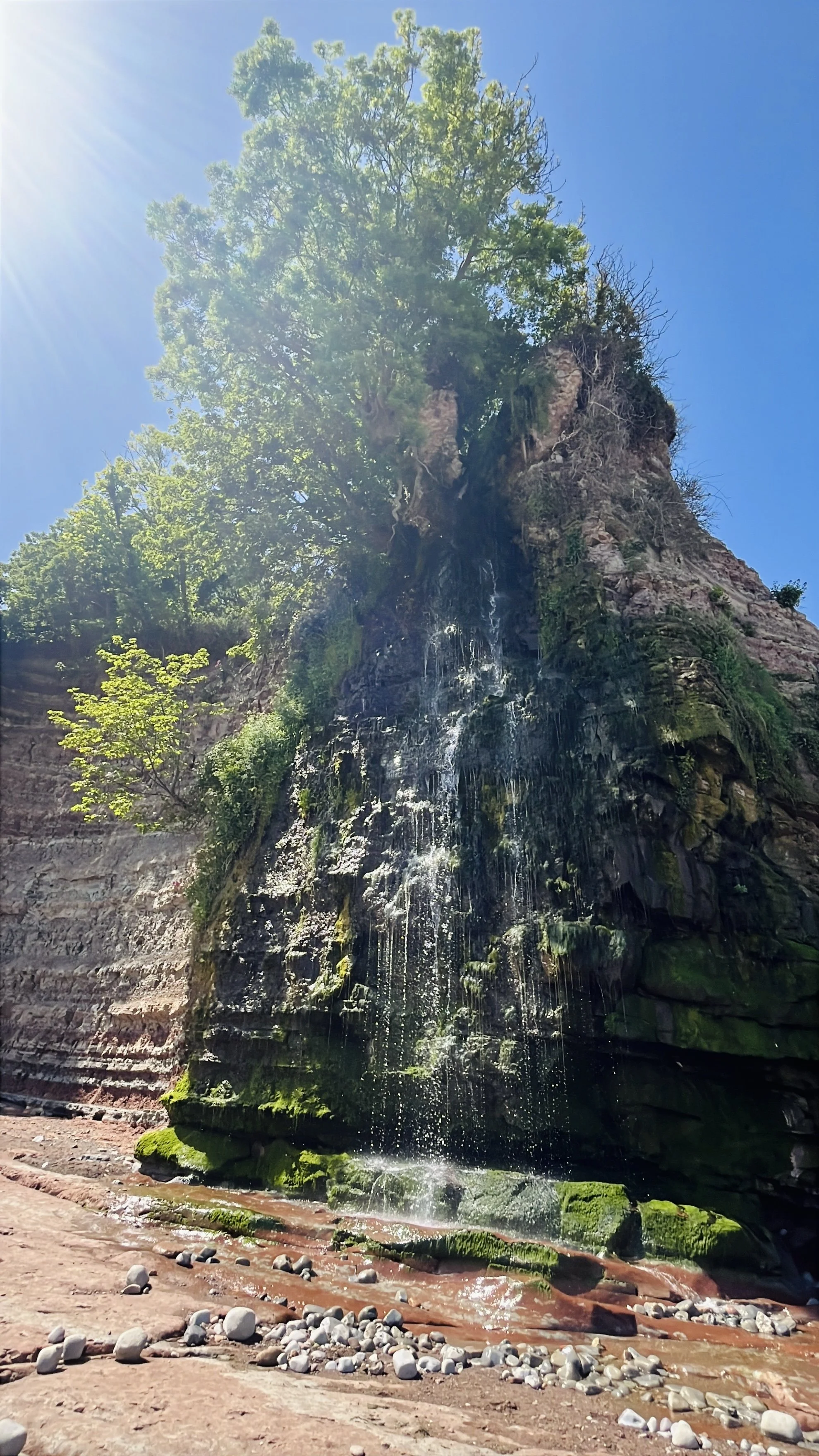
Many neurodivergent creatives don't struggle because they lack inspiration. More often, the challenge is processing what we've experienced without it turning into comparison, overwhelm or self-criticism. In this post, I explore how to notice inspiration, translate it into something meaningful and use it in a way that works for your brain.
Three years ago, I started a thing…
Three years ago a Masters dissertation project became an experiment in accountability, body doubling and community for ADHD musicians. Three years later, that experiment is still going strong and has evolved into The AMP Club- the online accountability space for neurodivergent creatives.
Welcome to The Unencumbered You (New Year? New View! Week 6)
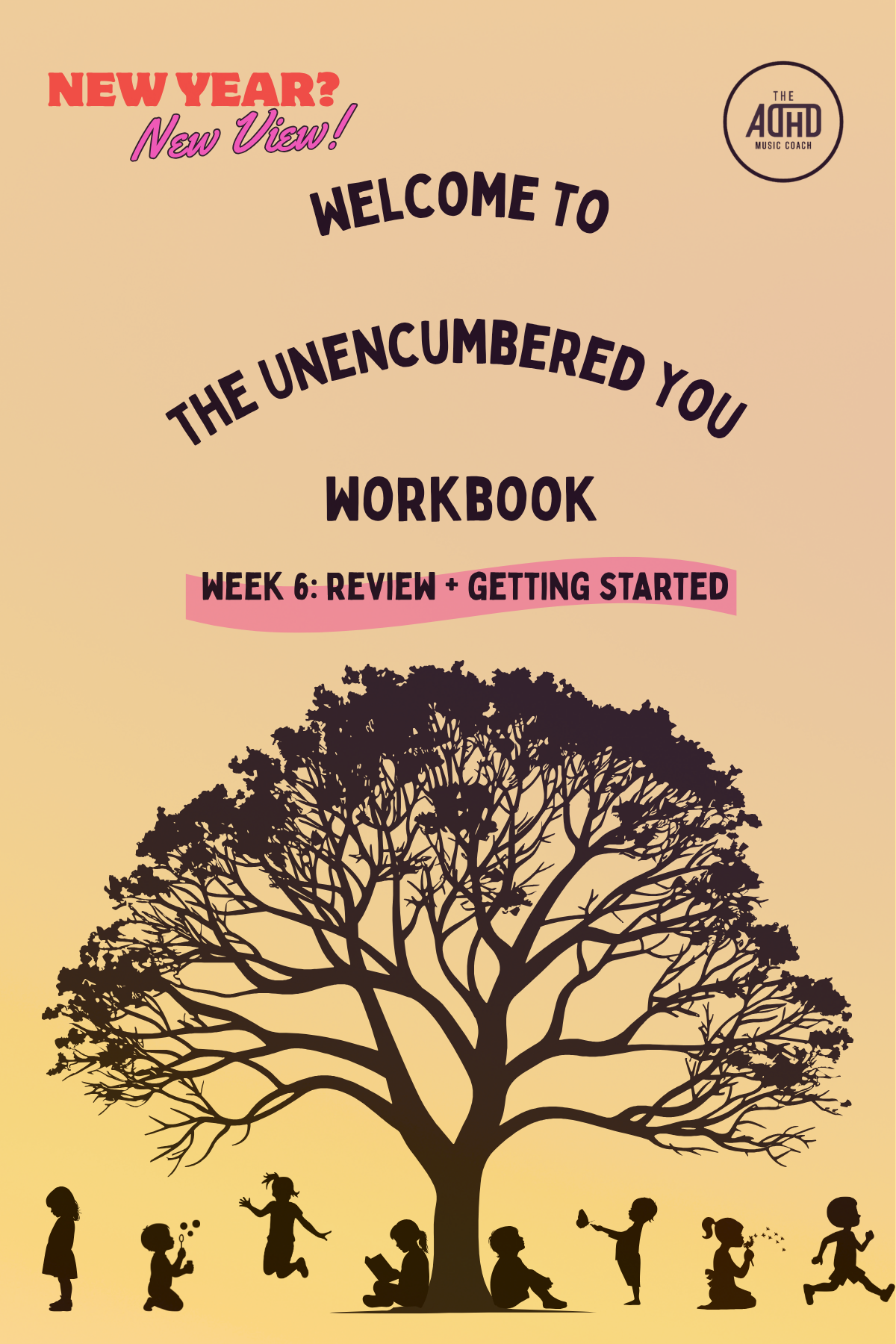
The final part of the New Year, New View series for neurodivergent creatives. Explore practical strategies for turning self-awareness into action, reducing friction, and creating sustainable structure that works for your brain
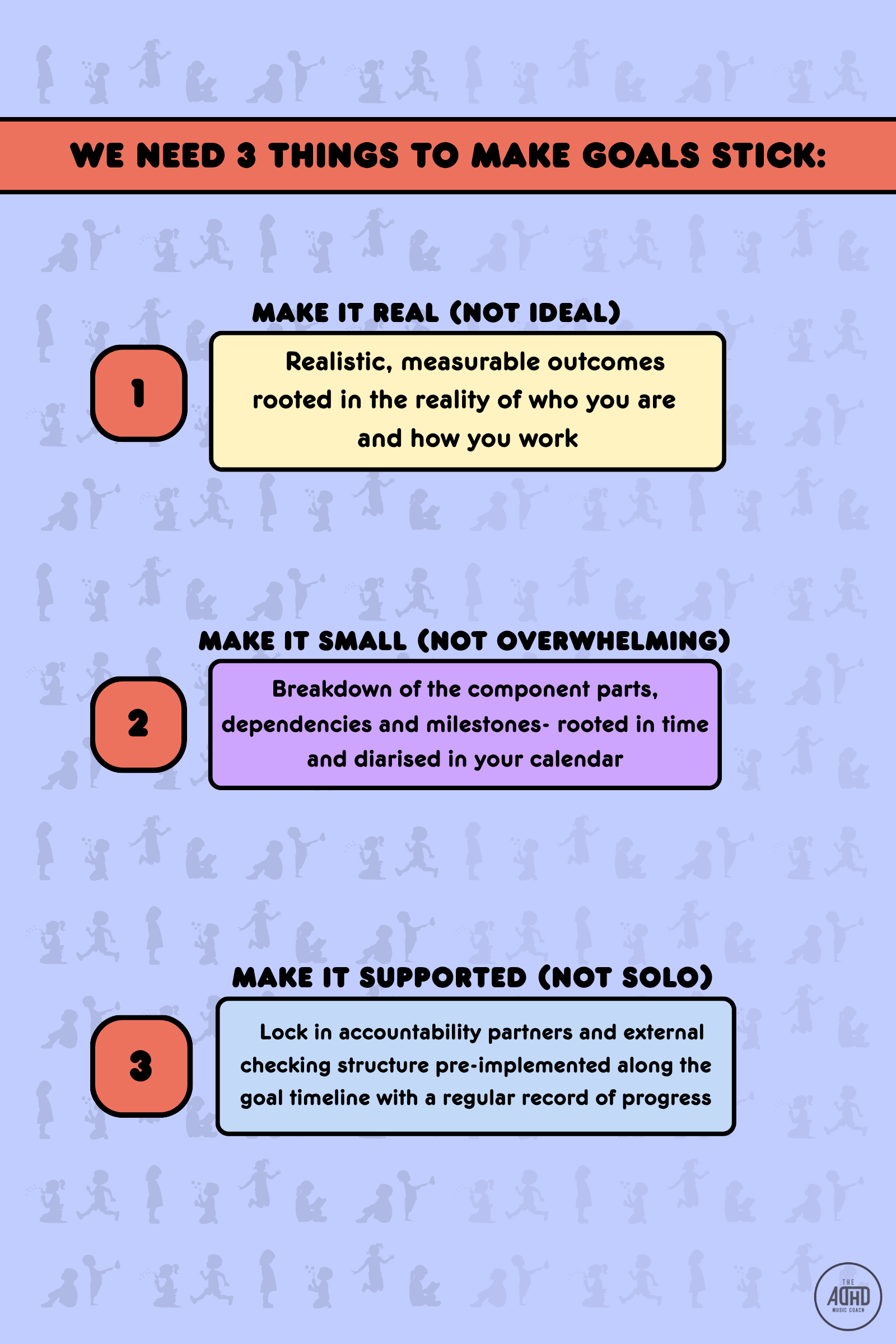
You know what to do, so why aren’t you doing it? (New Year, New View- Week 5)
Maybe you know what you want, maybe you’ve known for a while. So why aren’t you doing it?
Ah…so many reasons baby! For neurodivergent creatives. It’s not about a lack of ideas, ambition, or even effort- it’s about the missing “how” piece that actually works with how YOU are.
In this week’s New Year, New View, we’re breaking the “how” down into something real, flexible, and actually usable- without you having to pretend you’re someone you’re not.
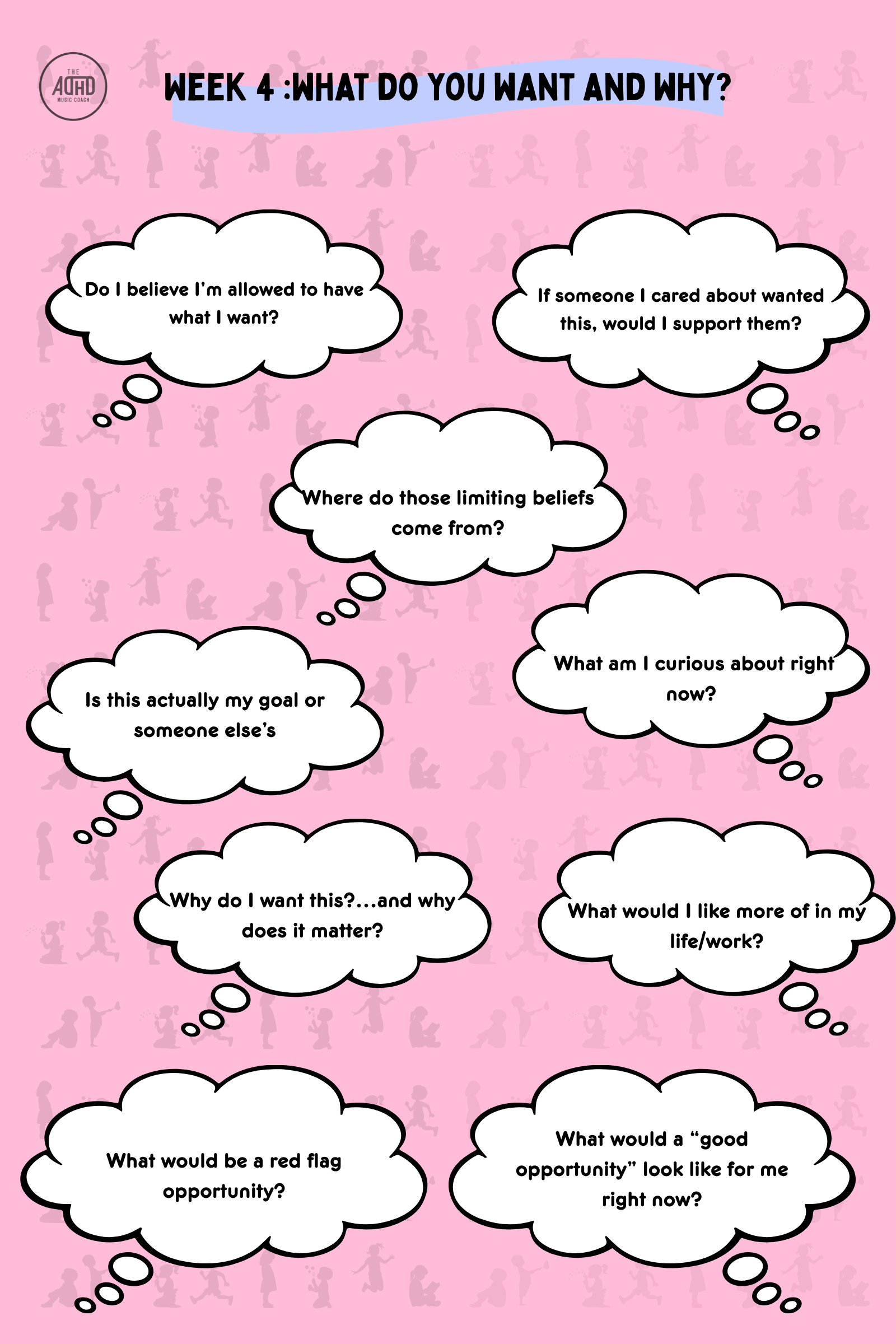
Why don’t you know what you want?
For a lot of neurodivergent creatives, “what do you want?” isn’t a simple question. This is a way of figuring it out that actually works.
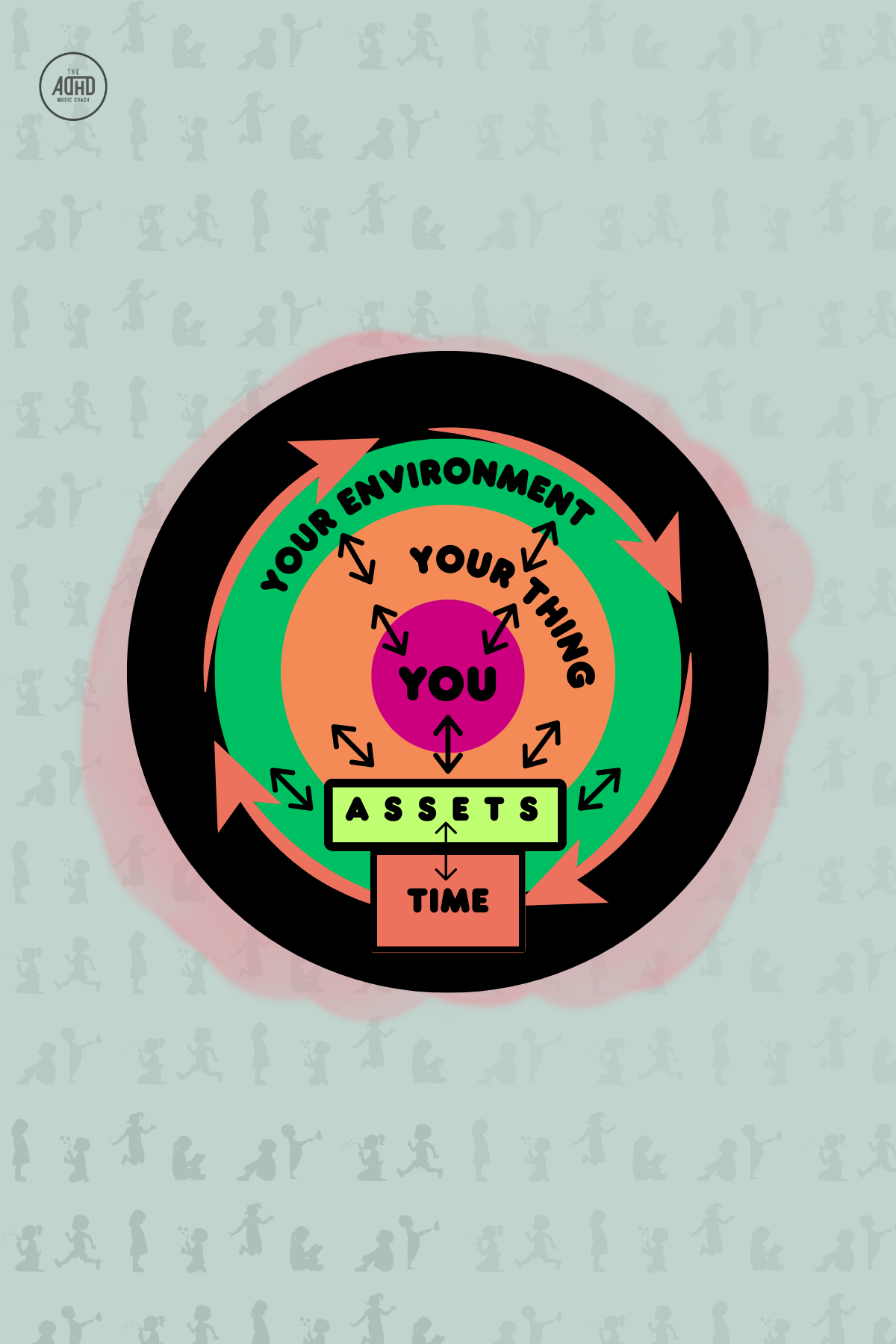
New Year, New View: Inviting Self Acceptance
Week 3 of New Year, New View focuses on self-acceptance and understanding how your time, environments and resources shape your creative life. This workbook introduces a Wheel of Life for neurodivergent creatives alongside reflections on time use, environments and personal assets
New Year?…New View! Week 2- Building Awareness
Week 2 of New Year New View explores neurodivergent traits, executive function, and spiky profiles, helping you understand how your strengths and challenges shape the way you work and create.
You Don’t Need a New You- You Need a New View
Before you set new goals, start here. Week 1 of The Unencumbered You helps you understand your wiring so you can build plans that work with you, not against you

Prevarication, ADHD, and the problem that procrastination doesn’t explain
Prevarication is a loaded word, often associated with evasion or bad faith. But when it shows up in ADHD, it can describe something very different: the difficulty of committing under uncertainty. This blog explores why procrastination doesn’t fully explain this pattern, what’s really happening beneath the surface, and how neurodivergent people can support decision-making without shame or forced pressure.
Diagnosis! = Murder?
Receiving a neurodivergent diagnosis can feel like a clear before-and-after moment - as if something has been named, lost, and reshaped all at once. Alongside relief and understanding, many people experience grief for the version of themselves they spent years building without the full picture. This piece explores what happens to your pre-diagnosis identity, why integration can feel uncomfortable, and how to reconnect the old you and the new you into something whole and honest.
How to Work Out What Tracks to Release
For many neurodivergent music creators, the hardest part isn’t making music — it’s deciding what to release. When tracks carry emotional history, multiple versions, and years of effort, choosing one can feel risky and overwhelming. This piece explores why release decisions often trigger overload, perfectionism, and paralysis, and offers a gentler way to think about releasing music: not as a statement of everything you are, but as a single step forward.
I Thought I Was Tired (Turns Out My Brain Was Bored)
Maybe she’s bored with it? Maybe it’s ADHD? It never occurred to me or any health professionals that my tiredness and daytime sleepiness might be a symptom of ADHD but spoiler alert it was! This blog includes some of my top tips and tools I use post diagnosis.
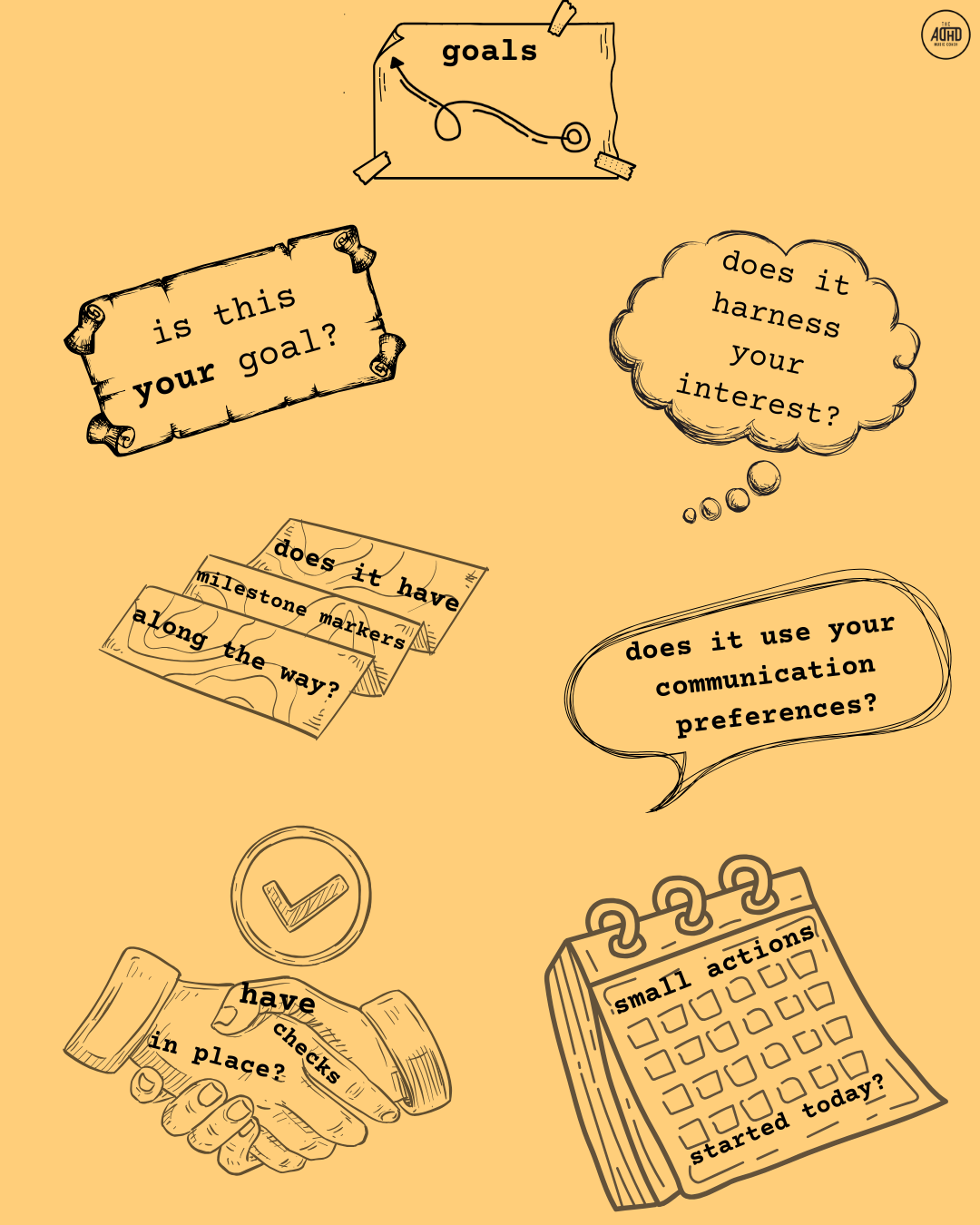
How to set Goals (when your brain doesn’t vibe with planning)
Goal setting is often framed as simple and motivating but for many neurodivergent people it feels vague, pressurised, and demoralising. This piece explores why traditional goal setting doesn’t work for ADHD brains and what helps instead.