You Don’t Need a New You- You Need a New View
Before you set new goals, start here. Week 1 of The Unencumbered You helps you understand your wiring so you can build plans that work with you, not against you
Skipping to the End- What’s That All About?
Ever found yourself skipping to the end of a book, film, or even a project- just to know how it turns out? You’re not alone. For ADHD and neurodivergent brains, that urge to skip ahead isn’t about spoiling the story; it’s about calming the nervous system. In this post, I explore why we crave closure, what it says about dopamine and curiosity, and how we can make peace with our need to know now without losing the joy of the process.
Welcome to Your New Bank - The Bank of Self-Esteem
What if your confidence worked like a bank account- one you could top up by sharing what you know? In this week’s AMP Club blog, we explore how teaching others boosts learning, motivation, and self-esteem for ADHD and neurodivergent creatives.
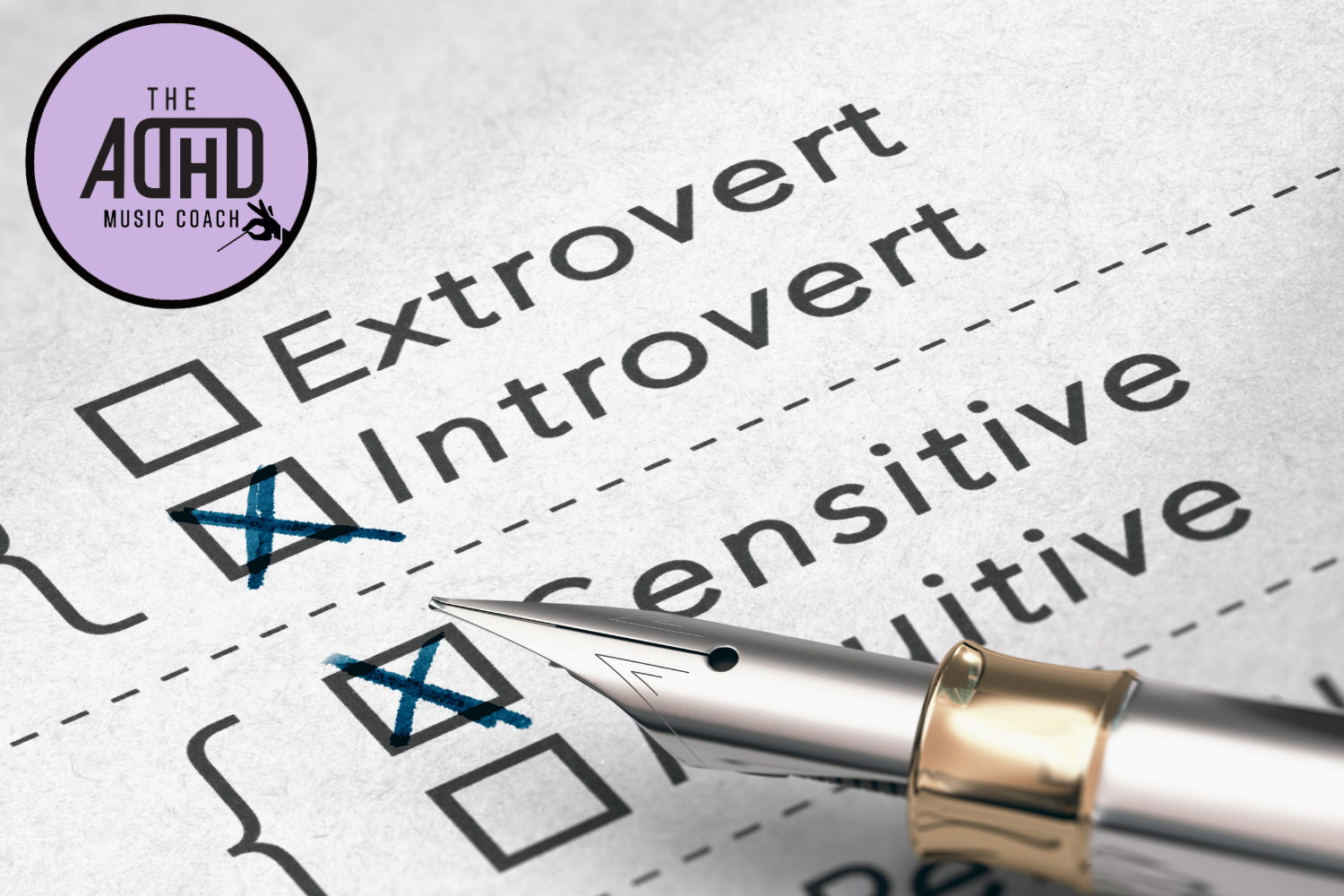
Otrovert + ADHD + Music
What if you don’t fit neatly into the “introvert” or “extrovert” box? Enter the Otrovert – someone who connects when it feels right but doesn’t feel a constant pull to belong. For ADHD musicians, this blend of independence and freedom can be a double-edged sword: it fuels originality and genre-fluid creativity, but also risks isolation, inconsistency, and momentum dips. From selective collaborations to resisting trends, the Otrovert’s rhythm looks different – and that’s the point. With the right scaffolding, this way of being isn’t a limitation; it’s a unique pathway to music that’s authentic, fresh, and unapologetically yours.

Exercise- Why, How, When, What and Who With?
This week’s blog looks at the tricky link between ADHD and exercise. For many of us, moving our bodies does not come naturally, especially when motivation slips or accountability is missing. I share what I have tried, what has stuck, and why the social layer makes all the difference. It is not about becoming a gym fanatic but about finding small, realistic ways to build movement into daily life so your body and brain can keep working well.

Are You Any Good at Endings? (Because I’m Not)
I’ve never been great at endings. Give me the second part of a trilogy any day—where the stakes are high but the story hasn’t wrapped up. No heartbreak, no closure, just the comfort of being in the middle.
But real life doesn’t let us skip to the last page. Endings are inevitable, and for ADHD brains, they can hit harder than we expect shaking routines, stirring emotions, and leaving us unsure how to sign off. Whether it’s wrapping up a creative project, saying goodbye to a collaboration, or stepping away from something awkward, endings demand more brain energy than we sometimes have to spare.
The good news? We can build small rituals that make them less jarring learning to name the moment, mark it, and find our own version of “done enough.”

ADHD and Negative Self-Talk
If you have ADHD, especially if you were diagnosed later in life, your inner voice may have been shaped by years of criticism from others. Over time, that voice often turns into negative self-talk—subtle jabs, sarcastic thoughts, or harsh judgments that quietly affect your confidence and motivation. This blog explores where that inner critic comes from, how it shows up, and how you can begin to challenge it. With practical tools and a focus on self-compassion, you will learn how to interrupt those patterns and speak to yourself with fairness and care. Because you deserve that.

Rejection Sensitive Dysphoria (RSD) and Creativity
If feedback, silence, or a “no” sends you spiralling, you’re not alone. This post explores how RSD impacts neurodivergent creatives — and why it feels so personal when your art is involved. From naming the feeling to using your Jar of Joy, we cover tools to help you stay resilient and keep creating.