The Optimisation Trap
Hey You!
I see you with your individually designed, colour coded, detailed-down-to-the-minute planning system. I know the acronyms, the icons, the notebooks, the whiteboards, the apps, the trackers, the wall planners and the incredible feeling of finally cracking it. To feel like you know everything and all the possible outcomes, that you've finally systemised the best possible version of yourself and your life, is a powerful dopamine hit.
Maybe you've heard people talking about self-optimisation recently- where you squeeze out every last bit of your potential. The idea that if you can just get your routine; exercise; planning; productivity; habits and your mindset “right”, then everything else will somehow fall into place. (And rich people want to live forever so there’s that but that’s not what this blog is about don’t worry! (or apologies if you thought this blog was about longevity hacking🫣)).
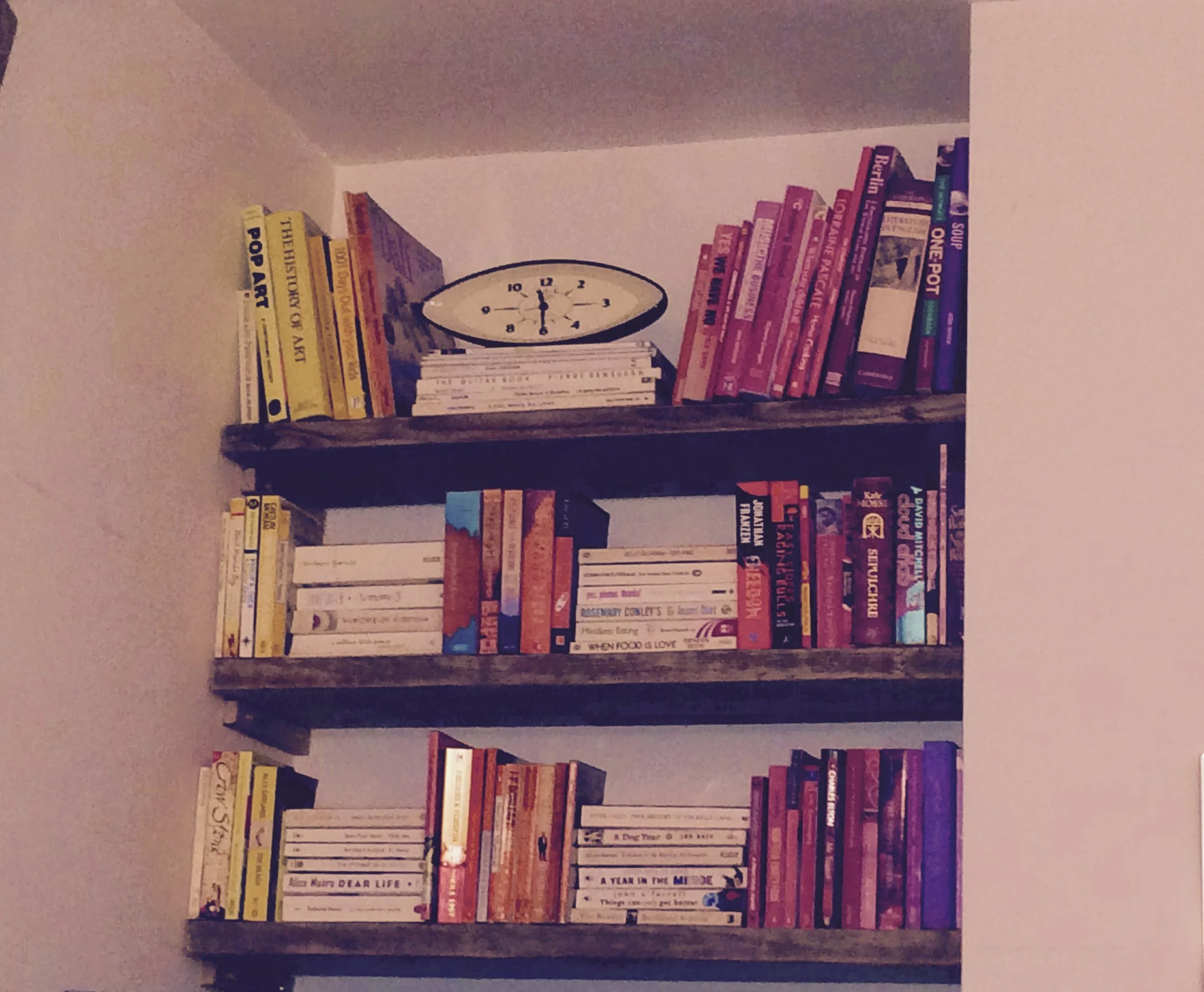
I mean… it’s something alright…
Confession time
I am absolutely susceptible to this.
Even though I know attempting to optimise everything to within an inch of its life is, overall, a losing game, I still get drawn in from time to time. I like to think of it as something to indulge in- like a lot of ADHD pastimes. I enjoy the extreme self micromanaging planning SO much… and at the time I genuinely believe it's helpful and I will not hear otherwise ok? Of course I'll be able to follow my convoluted colour coding system. Of course I'll remember what all my symbols mean and will definitely refer back to the key I had to make just for this enterprise. Of course I'll note down how many glasses of water I drank every day and review my progress multiple times daily. Of course.
But this blog isn't really about finding the perfect system because I already know there isn't one. This is about the moment when you know there isn't a perfect system and yet somehow find yourself staring at a new planner again thinking "ah, but this one might work." Or when you come across an influencer who is getting up at 5am and says it’s the best thing that they ever did- look at that sunrise! and despite only ever being up at 5am because you’re still up from the night before you believe you could feel or have whatever they have if you did the same.
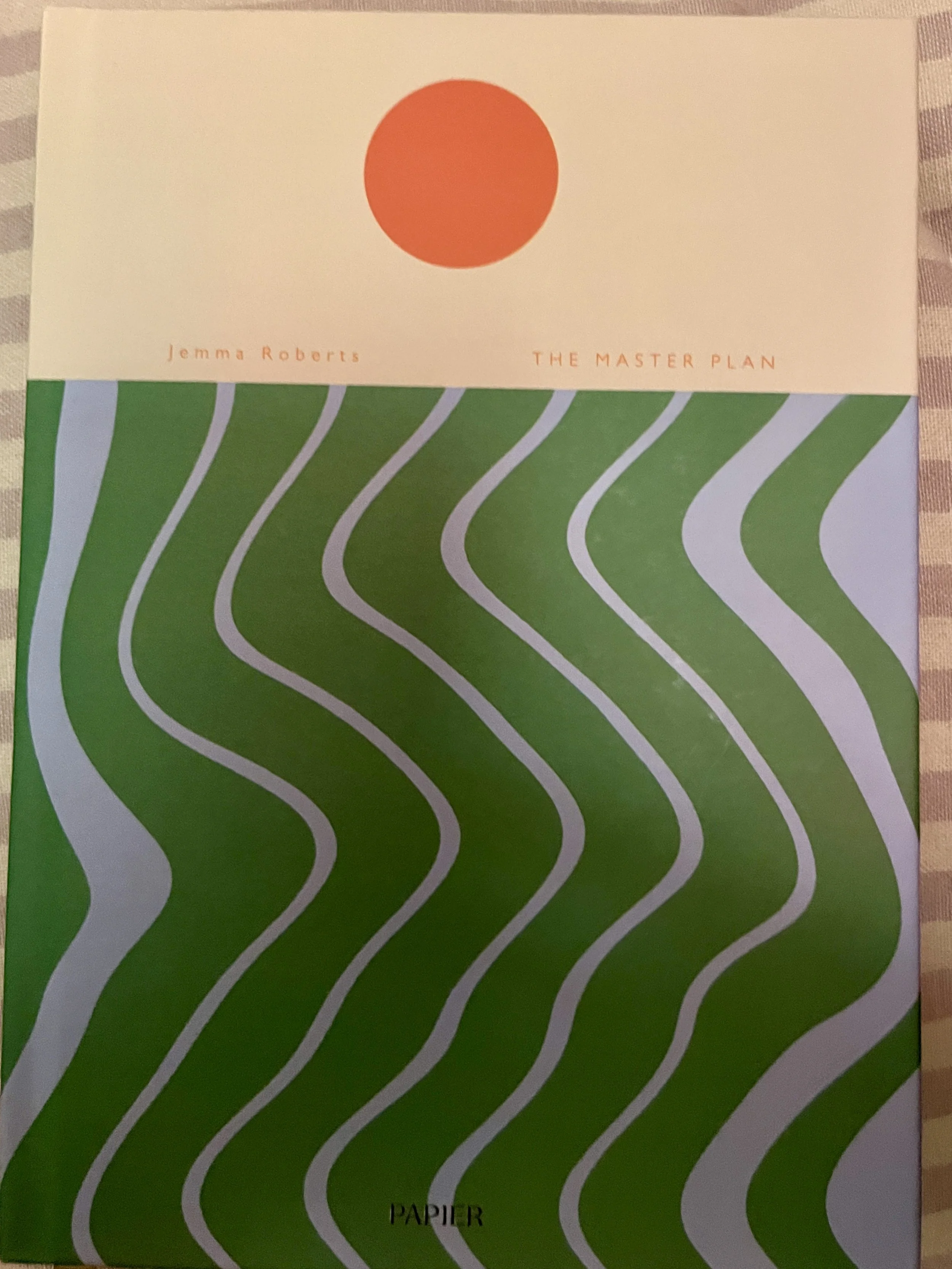
A lovely friend bought me this- does that count?
New Planners are 4life
It’s not that there is anything wrong with a new planner, trying someone else's advice or experimenting with new habits. In fact, I think that's exactly what we should be doing- how else do you find out what works for you? Also Mama loves stationery- I will never not believe that a shiny new planner could change my life- BUT I can think and hope and believe that on one level whilst also knowing I actually write everything on plain A4 paper and have done for years. The big plain sheet gives me space to plan and think and it’s not tucked away in a (beautiful) notebook out of sight, out of mind. Therefore writing on plain paper works as a system because it follows my preferences for recording information and retrieving it. So I restrict my planner buying when I can, but the hope is real.
A lot of the people I work with come to me having tried dozens of systems, routines, productivity hacks, apps, blockers, planners and programmes. Sometimes they bring me stuff from influencers and productivity gurus and say "this person swears by it" or "everyone seems to be doing this- are you doing this?". And sometimes the thing genuinely helps but I would say more often, it doesn't. When the thing fails to work or keep working, we think it’s our fault- we don't automatically think, "that approach wasn't a good fit for me," or “it worked for a bit, great!” We think, "everyone else seems able to do this, I failed, so what's wrong with me?"
I challenge thee on this
That's the bit I want to challenge because I don't think #lifegoals is to become a copy of somebody else. I don't think the point of life is to perfectly replicate a stranger's morning routine, productivity system or lifestyle. The goal, in my opinion, is to become an expert in yourself.
You are the person who has spent the most time with your brain and body. You are the person who gets to call the shots.
Of course there are things you don't know yet. Of course there are strategies you haven't tried. Of course it can be useful to learn from other people. Of course. But there is a difference between borrowing an idea and assuming somebody or everybody else knows you better than you know yourself.
I think neurodivergent people are particularly vulnerable to this because we're often trying to solve a genuine problem. We're trying to manage our time, remember things, make progress on projects, take care of ourselves (and others) and reconcile the gap between what we want to do and what we actually manage to do.
optimised 👌
Planners R Us
Contrary to the stereotype of ADHD people being chaotic and all over the place, I find many of us are actually incredibly good planners. We are naturally reflective. We analyse. We observe others and are curious about how they do things and why. We think deeply about our goals and ambitions. We spend time trying to understand ourselves and the barriers we're facing.
So what's the problem?
Well, you can plan all you like but if you still can't DO, and if your plan is still asking you to be somebody you're not, then your planning habit might be becoming problematic for your self esteem.
In theory, 5am might be the best time for you to get up and exercise. But if you've never voluntarily got up at 5am to exercise, or worse, you did it once and now use that as evidence that it's possible, then asking yourself to do something because it looks like the best idea on paper isn't going to magically make you do it.
I see this all the time in myself and others. We build systems for a fantasy- often working to an idealised version of ourselves- who we imagine we could become if we just found the right …thing- rather than thinking ok, I didn’t get started until 11am yesterday, I guess that’s my bag so lets start from there.
The way we might actually be could be opposed to the standard view that getting up early is better and being more productive, more consistently, more quickly is better. It’s pretty hard to shake off the internalised views you’ve picked up and to learn to balance that with needing to function in the real world whilst acknowledging who are how you are and working with that knowledge as much as possible.
If it’s aspirational, it’s not a to do item
I call this aspirational planning- a version of magical thinking where we confuse the person we’d like to be and who actually are. It can be very problematic for neurodivergent brains because part of us clings to the ideal because if we give it up and accept who and how we actually are then it can feel sad- letting go of dreams and aspirations you’ve held on to even if you don’t act on them can be truly hard.
An example of this might be where you put “go to gym” in your calendar/diary and you get reminded maybe 3 plus days a week but you haven’t actually been to the gym for a year (you should probably cancel that btw) but you don’t remove it because well then you’d be saying you enjoy being squidgy in the middle and if you keep the membership you might go? (you won’t… although you might if when you read this it makes you feel defiant and you think, hmph I’ll show her- feel free to send me selfie from the gym if so). However, if you made a date with a friend to go the gym tomorrow that’s different, it’s not just an aspiration anymore AND involves someone else.
….these balloons need optimising
Keep it breezy and YOURS
If your planning system is so detailed and rigid that maintaining the planning system becomes a whole job in itself (I know you know what I’m talking about) then long term you're probably not going to maintain either the plan or the activities it's supposed to support.
The reason we keep returning to rigid systems despite knowing they rarely last forever is because we want them to work. We want to know what it would feel like to be that organised and to stay that way effortlessly. We know we need some structure and we're worried that if we don't have enough we'll drift around doing whatever pulls our attention and we’ll never make the progress we want. It’s a fair worry- we’re just trying to make sense of our world.
The problem is that most of these systems aren't designed for us. They're designed for the person who created them. And we don’t need one hack to save our lives, we need to construct a meaningful life from things we’ve learnt from different people in different places- that’s not a simple, straightforward process or set of answers- what works for me won’t necessarily work for you. And what works for me this week, might not work next week.
I've worked with people who have spent enormous amounts of time trying to optimise every aspect of their lives. Their internet/ phone use/ productivity/ routine/ environment/ focus/ sleep/ exercise. In my experience, this kind of intense ‘all in’ change - setting impossible standards to reach and maintain- often ends in burnout or despondency- so probably the opposite of what you intended.
We could learn something here
It’s good to reflect on changes you might want to make but what have you already learnt about yourself from things you’ve already tried?
Maybe you've learned that you hate time blocking.
Maybe you've learned that accountability or body doubling works better than habit tracking.
Maybe like me, you’ve discovered you can only think/write properly on plain paper- lined pages cramp your style and feel bad, oh so bad.
Maybe you've discovered that colour coding everything is incredibly satisfying but not something you'll maintain beyond Thursday or maybe the colour really works to keep you interested.
So what do you already know about yourself and how you work right now?
In my opinion, the goal isn't to perfect your system- it’s to become the sort of person who understands how they work and that’s always a work in progress baby!
